

COLUMN

“A Day to Change an Entrepreneur’s Future”: The Frenzy Behind the Scenes of Venture Ecosystem Summit 2025 – Part 1

  • Interview
2026.02.17

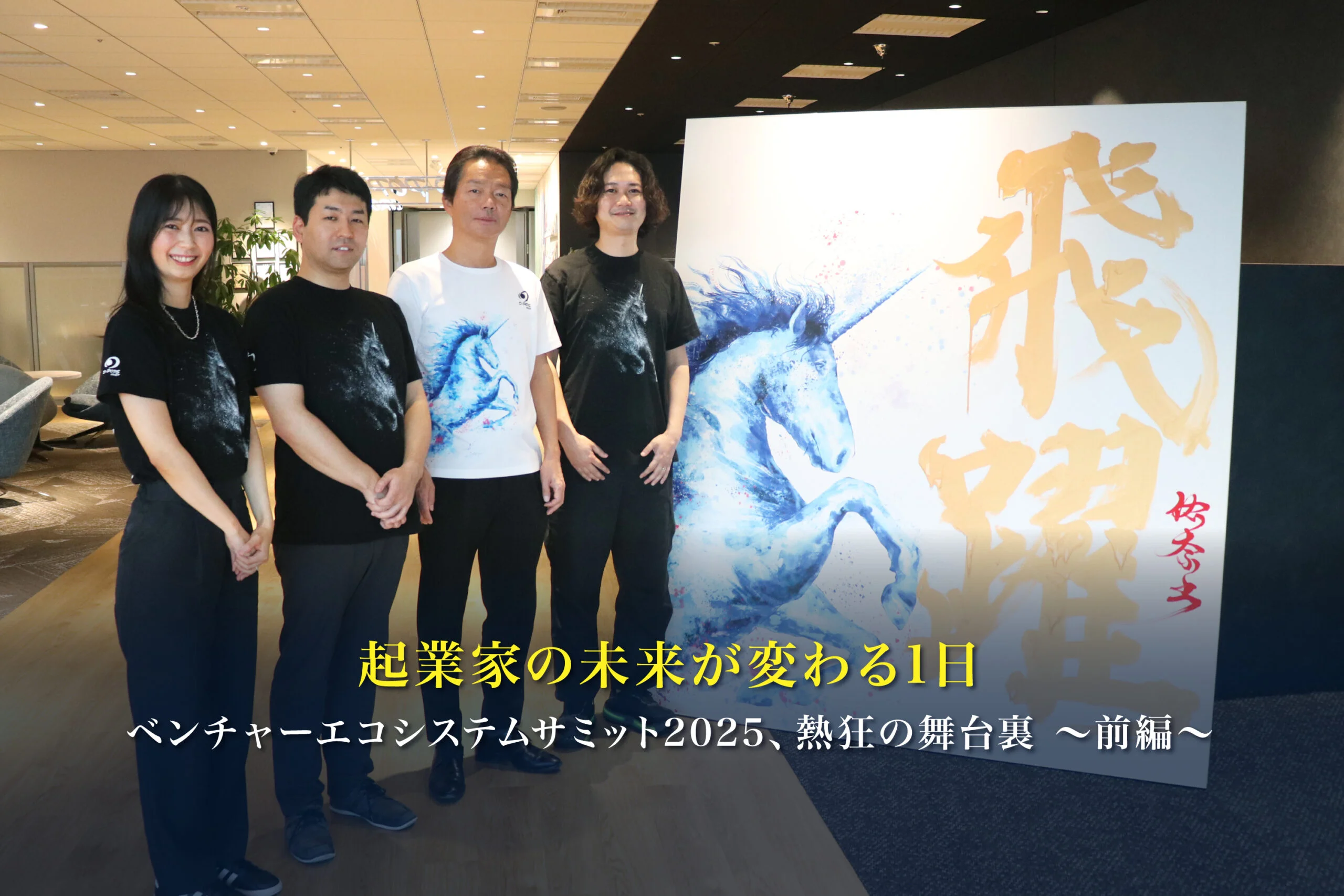
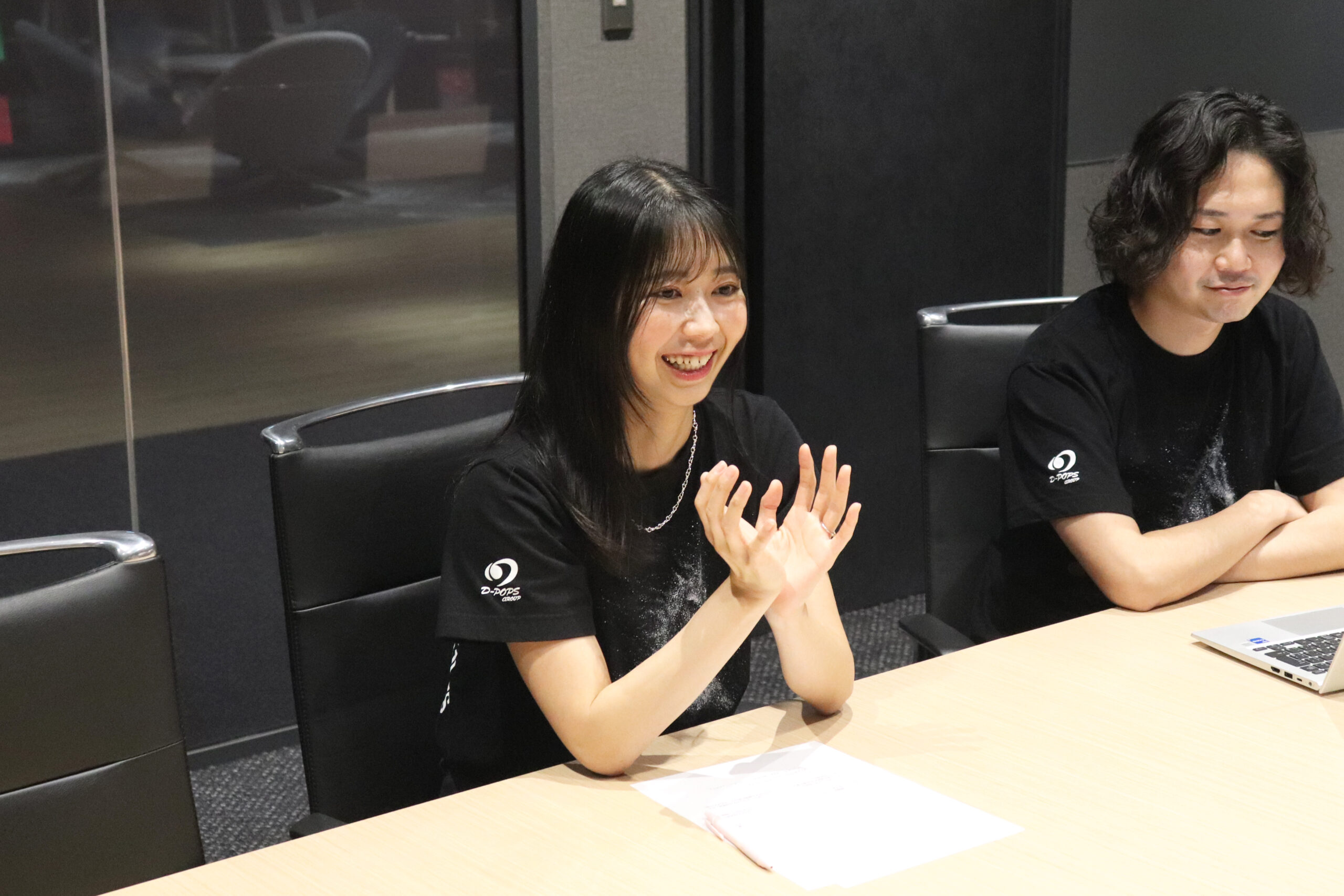
For this article, we interviewed President Goto, the organizer of Venture Ecosystem Summit 2025 held in October 2025, along with the operational committee’s three leaders.
(This interview was conducted in December 2025.)

◆ Reflections on the Event

Sugihara:
Today, we are joined by President Goto, the organizer of Venture Ecosystem Summit 2025, and the operational committee’s three leaders, Mr. Shibata, Mr. Matsutani, and Ms. Kawaguchi.

First of all, a huge congratulations on the massive success of the event! The feedback from participants has been overwhelming, and as a participant myself, I truly enjoyed it. Now that this major effort is finished, could each of you share your honest feelings?

Goto:
Right now, I am simply filled with a sense of relief. To be honest, entrepreneurs have very discerning eyes. Even if they say “It was great!” out of politeness, they’ll tell you clearly by their expressions if they don’t really mean it. They are the type of people who will give you direct, unreserved feedback if there is something they aren’t satisfied with.

We successfully held an event that satisfied entrepreneurs with such strict preferences. So in that sense, we gave it our all, and now we can give a big sigh of relief.

Sugihara:
I’m sure you really put your whole effort into this. Did you happen to fall ill or run a fever after the event ended?

Goto:
Fortunately, I didn’t get a high fever, but I did collapse for a moment, ha ha. I must have been so tension leading up to the event because the next day, I had a feeling of exhaustion that I can hardly even put into words. I was just completely wiped out.

Sugihara:
I’m glad you were able to recover from that! Next up, Mr. Shibata.

Shibata:
I feel very similar to President Goto, but if I had to sum it up in two words, they would be ‘frenzy’ and ‘relief’.

However, my sense of relief is slightly different in nature from what President Goto shared. First and foremost, as part of the operational committee, there was the relief of simply getting through the entire event without any major issues.

Secondly, I was assigned head of the operational committee. During the preparation phase, I placed a fair amount of burden on the other operational committee members, and there were moments when things didn’t go as planned. So when I heard everyone saying “It was a wonderful event” after it finished, I felt a weight finally lift off my shoulders.

Looking back, I feel like that entire period from preparation to the actual event was pure frenzy.

Sugihara:
Everyone was so energetic, they almost seemed to be glowing from within. Mr. Matsutani, how about you?

Matsutani:
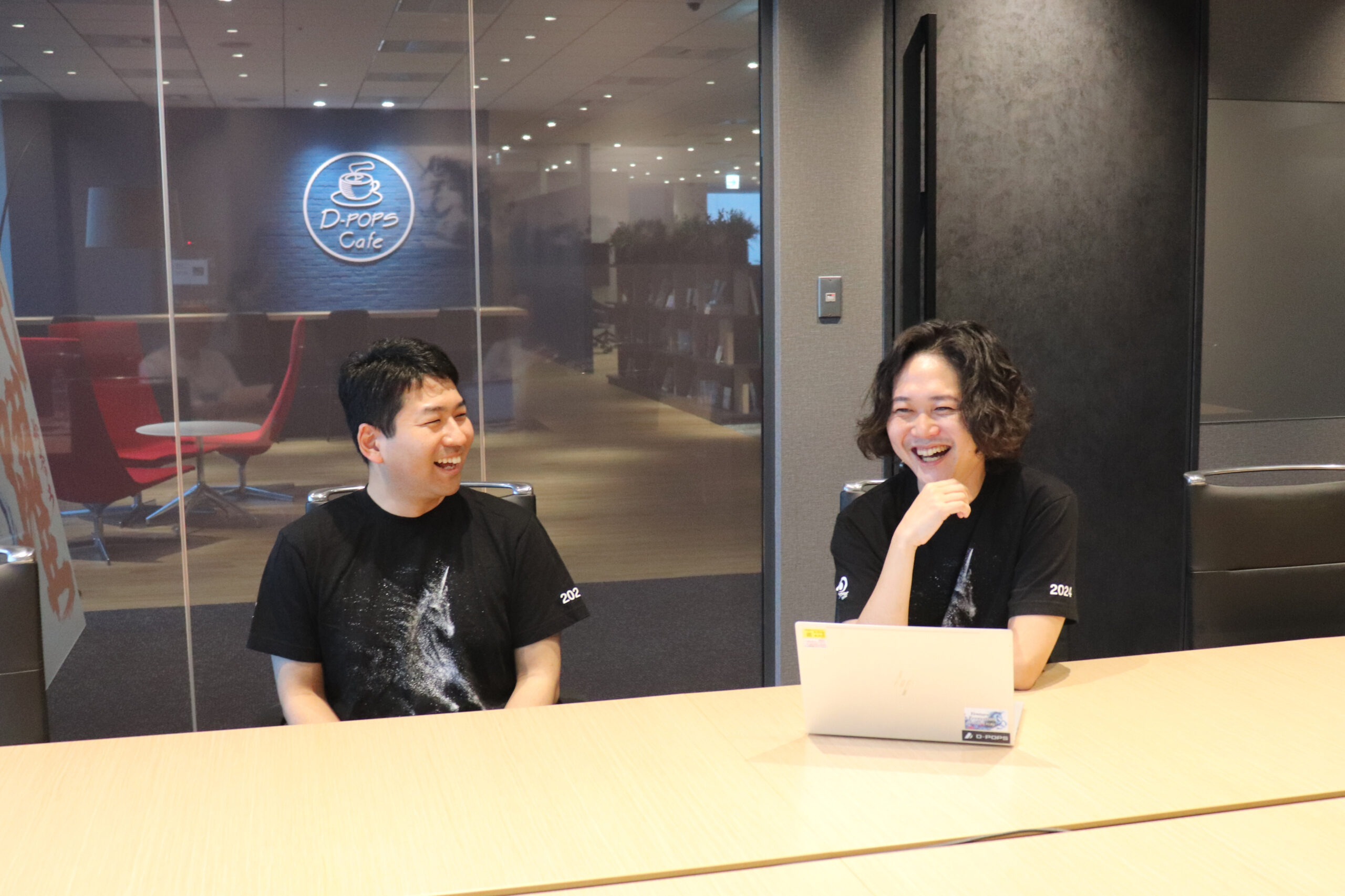
At the moment, my heart is welling up with a quiet sense of total fulfillment. While listening to Dr. Semmoto’s lecture and President Goto’s closing remarks at the end of the event, I was moved beyond words.

I felt so glad we were able to hold it in the manner that we did. It felt as clear and refreshing as the moment after listening to a profound and beautiful symphony. From the overall balance of the venue to the almost physically perceptible heat and power radiating from the speakers and participants, I truly felt incredibly glad we made this event happen.

Additionally, every single staff member performed their parts wonderfully. It was impressive to see how everyone embodied our core value of empathy right there at the venue.

Goto:
The participants also complimented us frequently on the staff’s performance. My impression is that paying such close attention to even the smallest behaviors of the staff is entirely to be expected of business owners.

Some staff members were standing at various points along the route from the station to the venue holding guidance signs. Working outdoors in that capacity is much harder than people realize. The CEOs even noticed even those behind-the-scenes efforts and told us, one after another, that the management was truly superb. From the meticulous care inside the venue to every interaction, the team’s response was consistently magnificent.
Sugihara:
Thank you. Now, Ms. Kawaguchi, your thoughts please.

Kawaguchi:
Like everyone else, my first sentiment was relief that the event was held without incident. Even though it was only October, I felt a massive sense of accomplishment, as if I had already conquered the whole year.

Actually, preparations for this event started back in December 2024. We began by inspecting various potential hotels, but just securing a booking was already becoming difficult, so right from the start, we were scrambling to coordinate dates. Because of those circumstances, I feel like I was pouring 100% of my energy for the entire year into this.

This year, I’ve been running with the singular desire to build up anticipation for the Venture Ecosystem Summit and make it a success. Now, I’ve been feeling this comfortable sense like I don’t have to do anything more after finishing my biggest mission of the year, even though October might’ve been a bit too early for that.

◆ The Purpose Behind the Event

Sugihara:
You were preparing for a whole year, indeed. From a participant’s point of view, I felt it was a wonderful event that directly conveyed President Goto’s passion. Could you tell us again about the background and reasons why you decided to hold the Venture Ecosystem Summit?

Goto:
D-POPS GROUP holds an all-hands meeting at the end of every year, and we always ask our chairman and co-president Dr. Sachio Semmoto—the co-founder of KDDI—and our corporate advisor Ichiro Fujisaki—former Ambassador to the U.S.—to give a speech there. Every year, I feel something extraordinary in their words that truly shakes the soul.

Then, I had the sudden thought: it would be a travesty to society for us to keep such a valuable experience contained only within our group. My primary motivation was the desire for all entrepreneurs, who are currently tackling their own issues with their best efforts, to have the opportunity to see, hear, and feel these two individuals speak, rather than keeping it behind closed doors.

At the same time, we are working to build an unprecedented Venture Ecosystem and a platform that serves society, so I also wanted more people to know about our approach.

There are many systems to support startups in the world, such as VCs, angel investors, or aid from national or local governments. However, the current reality is that these support systems are rather compartmentalized, so I don’t think a platform capable of providing 360-degree support from every angle exists yet. Of course, neither is D-POPS GROUP able to supply the perfect platform, yet. But I want to reach a point where the entrepreneurs and members involved in this Ecosystem can truly feel, “We are building the world’s first platform of its kind.”

To clearly communicate that vision to the world, this was the best timing. When you gather that many entrepreneurs, their effect as influencers is immense. If one participant tells ten people, it spreads to thousands instantly. I am convinced that conveying the significance of the ecosystem to these brilliant entrepreneurs carries massive weight for our future development.

Sugihara:
I see your point. In a typical event, even if you gather 1,000 attendees, the reality is that some are only there because their company ordered them to attend, and others lose focus halfway through. However, at this seminar, every single participant was a business owner. I was overwhelmed by the high level of consciousness in the room—everyone was there to learn and absorb something from that day.

Goto:
In fact, every single guest there was personally invited by me. There are so many passionate, hard-working people around me that I really wanted to invite so many more, but the venue was already at maximum capacity. Because of that, the chosen participants approached the event with extraordinary energy. I believe the temperature in that room was only possible because such highly ambitious people gathered there.

Sugihara:
The participants were exceptionally growth-oriented. Mr. Shibata, as the person handling customer relations on that day, how did you feel that energy on-site? Also, were there any specific challenges in managing the event?

Shibata:
The word frenzy I used earlier refers exactly to the heat that was in the room. To be honest, in my line of work, I have many opportunities to attend various study sessions. As you mentioned, it’s not uncommon to see people who clearly look like they are just there because the company told them to be. But at this event, looking at it from a management perspective with a bird’s-eye view, the sight of the participants never looking away for a second—everyone with their heads up, staring intently at the speakers—was incredibly striking. Even from the back of the room, I could feel the raw intensity of people thinking, I will learn everything from this moment and absolutely apply it to my company. If it was that strong in the audience, the people on stage must have felt an even more powerful energy.

Regarding challenges…it turned out to be a needless worry in the end, but during the planning stages, President Goto and I spent a lot of time strategizing how to keep business owners focused. Entrepreneurs are often strong-willed and independent, so we were meticulously obsessed with every detail—content that wouldn’t let them get bored, the order of speakers, and precise time management. However, once we opened the doors, we found the very people President Goto invited out of genuine trust. Both the speakers and participants were people who held the same values of “sincerity, humility, and gratitude” as we do, and everyone participated as if it were their own personal mission. I had been bracing myself in case we encountered any difficulties, but it turned out so smoothly it was almost anti-climactic. That was the biggest surprise and the point that left the deepest impression on me.

◆About the Speakers

Sugihara:
The lineup of speakers for this seminar was truly prestigious. (Click here for a detailed list.) How did you manage to request lectures from world-renowned Japanese figures such as Dr. Semmoto and former Ambassador Fujisaki, and what were the participants’ reactions?

Goto:
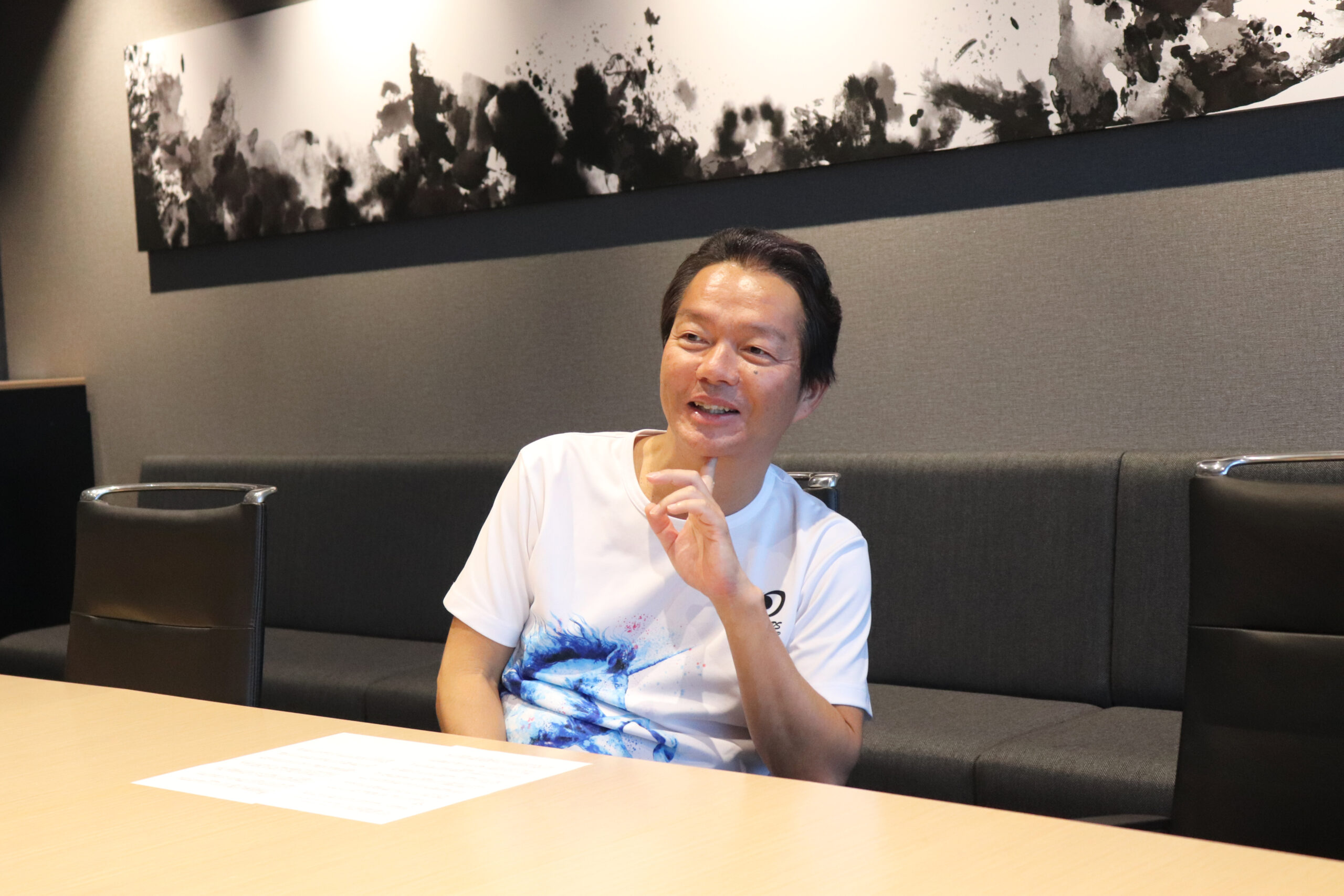
First of all, I think many people felt they absolutely had to attend just for the chance to hear Dr. Semmoto and Ambassador Fujisaki speak. The members of our company understand well how priceless their stories are, and the same goes for most founders. Dr. Semmoto is someone every striving entrepreneur wishes to hear in-person at least once. On the other hand, someone like Ambassador Fujisaki—who was at the forefront of diplomacy and international affairs as the former Japanese ambassador to the US—is someone even business owners rarely have the chance to encounter in daily life.

However, the world is currently in a state of upheaval. Now that the movements of superpowers like the US and China directly impact business, entrepreneurs have their scanners set to detect the slightest movement. Therefore, they definitely sensed the need to learn Ambassador Fujisaki’s perspective. Once these two speakers were confirmed, I was certain we had a rock-solid foundation for the event’s success. That’s why they were the very first people I decided to ask during the planning phase. When I consulted Dr. Semmoto, he gave his immediate consent, saying, “This is a wonderful endeavor. I will definitely participate and offer my full cooperation.” You could really feel from their presentations on the day that both of them were sincerely trying to deliver a message to the entrepreneurs in the room.
Sugihara:
In addition to the speakers we’ve discussed, you also had Shinichiro Naito, President and CEO of Findstar GROUP Co., Ltd., and Shoichi Motodaka, Executive Vice President of NTT Docomo Business. How did it go when you reached out to them?

Goto:
President Naito serves as Non-Executive Director for our company, and Vice President Motodaka is a close personal friend, so both accepted the invitation graciously. However, precisely because we have such intimate relationships, I intentionally set the bar very high for them.

I knew the audience would consist of highly sensitive entrepreneurs. So, while President Naito has spoken at countless seminars and study groups, my request to him was to present something in-depth that he has never spoken about anywhere else. I had him submit his materials in advance and requested specific adjustments to reflect our intent. Because he is like an older brother to me, I was able to make such demands, and I believe that’s why he rose to the occasion.

To ensure the participants were happy and satisfied, the overall layout of the program was vital. I treated it like a puzzle, making sure every piece was of the highest quality and carefully curated so that none of the content felt repetitive. I endlessly asked myself the question, “What is the specific piece that today’s entrepreneurs are missing?”

For example, if another CEO with a 10-billion-yen company were to give a similar talk right after President Naito (who has built a business of the same scale), the content would feel redundant. That’s why I was certain that the necessary piece we were missing was a perspective from a large-scale corporation. I felt Vice President Motodaka, whom I respect deeply as a human being, was the perfect person to fill that role.

Sugihara:
It sounds like every single element of the program was calculated with extreme precision.

Goto:
I put an incredible amount of thought into it. That also applies to the soul-stirring pitches by the young founders and the performance by calligrapher Yuuna Okanishi. Initially, we planned to have Ms. Okanishi perform at the end, but after repeated team discussions, we decided to move it to the very beginning.

By starting with a highlight-worthy performance, we were able to instantly sharpen the atmosphere and focus the participants’ attention. Even CEOs who might usually act a bit restless were sitting up straight and listening intently that day.

Ms. Okanishi doesn’t just have unbelievable stage presence, she has a wonderful persona, and the venue seemed to be filled with her positive aura. By the way, of the two panels she painted during her performance, one is displayed here in our Shibuya Hikarie office and the other was given away in a raffle. The panels were so popular that after the event, people were even asking us if they were for sale, ha ha!

◆The Inside Story of the Arrangement Process

Sugihara:
That performance was indeed spectacular. Ms. Kawaguchi, I heard that you were in charge of procuring the production materials and coordinating with the calligrapher. Were there any particular aspects of making that performance happen that you had to figure out yourself?

Kawaguchi:
When President Goto first mentioned he wanted a calligraphy performance, the scale I initially imagined and what he was envisioning were miles apart, ha ha.

I thought to myself that it would be maybe a meter high. But when we started discussing the details, he pointed to the large unicorn panel on his office wall and said, “I want it twice that size—about two meters tall.”

I had to double-check with him several times: “Are we really making it that big?” We actually took out a measuring tape, and eventually, we concluded that the impact factor of a two-meter panel really was absolutely necessary.

However, when I went to order the panels, I couldn’t find a vendor capable of custom-making panels of that size. Most told me, “We’d have to join two panels together,” or “We can't guarantee it will stay upright.”

In the end, I reached out to Best Support Systems, the company that handled our office’s interior design, since they had created all our unicorn panels. I was unsure about asking an interior contractor for just two panels, but they accepted gladly. They worked with us through countless revisions—not just on the size, but on fine design details like the placement of the unicorns’ heads. That performance would never have happened without their earnest cooperation, and I am truly grateful for them.

The panels were a massive hit. Some CEOs asked me to introduce them to the manufacturer because they wanted to use them for their own events, and even Ms. Okanishi wanted to know more details about the material because it was so easy to write on.
Sugihara:
For a seminar packed with so much content, I imagine the logistics and same-day preparation were quite a challenge. I heard that Mr. Matsutani, who was in charge of organizing the proceedings, woke up at 3:00 AM on the day of the event to finalize the production schedule. What specific points did you focus on while managing the flow of the event?

Matsutani:
President Goto had a clear vision of creating “a day to change an entrepreneur's future”. I saw my role as figuring out how to translate that passion into a concrete, actionable form. Something to avoid at all costs in event management is breaking the participants’ concentration due to logistical delays. I focused primarily on how to allow the attendees to totally immerse themselves in the content without feeling any unnecessary stress.

While President Goto designed the overarching flow of the event, I obsessed over the fine details, from the guidance routes for moving guests from the auditorium to the reception hall, to the operational committee members’ positions, and even to the exact layout of the catering tables. And then I poured my soul into how to accurately share these details with the entire operational committee and ensure they all moved in sync.

Actually, in my student days, I experienced managing presentation events for a thousand people. Since I was still young back then, I’d prepare for two days straight, without even a wink of sleep. I can’t quite do that anymore, as a working professional, ha ha…so I took a two-hour nap from 1am to 3am in the middle of the night before the summit, and then got to work on the final touches.

I sent the draft script to our emcee, Ms. Hida from Talk Navi Inc, two days prior, but I didn’t get the final version to her until the morning of the event. Despite such a tight schedule, Ms. Hida was incredibly flexible with same-day changes and corrections, supporting the proceedings with an outstanding sense of stability. I have nothing but gratitude for her.

Sugihara:
That’s true, I didn't see any of the typical mistakes or mishaps that usually occur in an event of this scale.

Matsutani:
It’s not like we didn’t have any mistakes, ha ha…to be honest, we didn’t even hold a full technical rehearsal beforehand, so as for myself, I feel everything went miraculously well. We also did the final checks for the slides and other things on the morning of the event itself, but we were only able to pull that off thanks to the immense cooperation of the venue staff. The venue manager even came by to observe and gave us a big boost of encouragement by saying, “This is truly a wonderful event.”

~ To be continued in Part 2 ~

Interview conducted by D-POPS GROUP’s advisor Genta Sugihara.

In Part 2, you'll learn about:
・The social gathering held after the seminar portion
・The operational committee members
・Insights gained while working with President Goto
・Realizing a “Venture Ecosystem”
...and more. Please look forward to Part 2!
Related Articles

[Founder Interview #4] Tsuyoshi Tateishi (SpeakBUDDY) – Part 3
The Challenge for an AI English Conversation App: Creating a Language Acquisition Technology to Globalize Asia In this final part of our three-part series, we look back at the greatest crisis SpeakBUDDY faced in its 13-year history. President Tateishi shares how he navigated a dire situation, with only three months of runway left, by being brutally honest with his employees. We also discuss the company’s unique organizational culture, where a multinational team of over 10 nationalities balances autonomy with discipline, and explore his grand vision for leading Asia’s globalization. Finally, we reveal how their partnership with D-POPS GROUP is accelerating SpeakBUDDY’s ambition to become a unicorn company. (This interview was conducted in January 2026.) See Part 1 and Part 2 of the interview here. ◆Understanding How Long a Year Can Feel to an Entrepreneur Sugihara: It has been exactly 13 years since you founded your company. During that time, you’ve navigated various shifts, including the COVID-19 pandemic. Looking back over these 13 years, what were the major turning points or obstacles that you encountered, both personally and as a company? Tateishi: While the company was founded quite a while ago, for the first three years, I was developing non-AI English learning apps and operating solely on my own personal capital. The situation changed dramatically around 2016, when we pivoted fully to AI-driven English conversation and began receiving investment from venture capitalists. In that sense, it has been a long road. One thing that surprises you when you become an entrepreneur is that one year feels incredibly long. You’ve likely heard of Janet’s Law, which suggests that time feels like it passes faster as you get older. By my seventh year at the investment bank, my colleagues and I would often say, “This year is already almost over!” I think that happened because I had mastered most of my tasks, the work had become routine, and there were fewer new stimuli. However, when you start a business, new challenges appear one after another, day after day. Each time, you have to acquire new skills or come up with fresh solutions. This density of experience makes a single year feel exceptionally long. Doing that for over a decade has been a very lengthy, yet fascinating process. Regarding the COVID-19 pandemic, AI English conversation benefited a lot from the stay-at-home environment at first. However, as the period of restricted travel dragged on, Japanese people sadly stopped studying English. With no business trips, no international visitors coming to Japan, and no overseas vacations, their opportunities to think about English virtually disappeared. The entire English learning industry slumped, and it was a very difficult time for us. Fortunately, demand has now fully returned. ◆The Ultimate Crisis: An Honest Confession with 3 Months of Runway Left Sugihara: Of all the situations you’ve faced over the years, if you had to pick one, what was the biggest hurdle? And more importantly, how did you manage to overcome it? Tateishi: It was undoubtedly the period during the lead-up to our funding round, when our runway (the time left before we ran out of cash) was nearly gone. In a startup setting, you’re constantly accelerating hiring to fuel growth. When the pressure to raise capital hit at the same time as the need to keep the organization unified, it was incredibly intense. Developing AI services is a marathon. At first, the tech can’t quite match human performance, so you go through years of not being able to amount to much. But then, you hit a tipping point where the AI suddenly starts outperforming humans, and growth just takes off. 2019 was that turning point for us, and it was also our hardest year. We were right on the cusp of our Series A, but we only had about three months of cash left in the bank. I was running myself ragged trying to secure funding, while the team seemed—at least to my eyes—a bit too relaxed. Eventually, I couldn’t bear the stark contrast between my stress levels and their composure any longer. Until then, I had kept our financial numbers and cash flow concerns private because I didn’t want the team to worry, but I had finally hit my limit. I called everyone together and told them honestly, “This is exactly how much cash we have left, and this is how much we burn every month. If you do the math, we have three months. Our payday is the 25th, so I can pay you this month, but three months from today, I won’t be able to pay you any more.” I knew the risk that everyone might jump ship. But I couldn’t keep going with that emotional disconnect, so I decided to put all the cards on the table. While one person did choose to leave, the remaining ten members said, “Let’s find a way to push through this together,” and they really worked hard. That moment erased the inconsistency I had been feeling, and seeing them commit gave me the courage to keep going myself. First, I went to my former boss and humbly asked for a bridge loan to extend our runway by another three months. Then, during those three months, a new feature we developed became a massive hit. Our KPIs skyrocketed, and revenue went up as well. People started telling me, “Since you’ve come this far, I’ll throw in my investment.” We successfully raised about 300 million yen in our Series A. That was the most grueling time of my life. Since then, I’ve made it a point to share the details of our company’s expenses and exactly how much cash we have on hand. Sugihara: By doing that, I imagine the employees feel like they are truly in the same boat. Tateishi: Exactly. At the end of the day, you can’t reach the same decision if you don’t have the same information. I believe that if you make that information open to others, you’ll eventually reach a shared understanding. ◆A Team of 10+ Nationalities: The Strength and Struggle of True Diversity Sugihara: SpeakBUDDY is a remarkably global company. About a third of your employees are non-Japanese, representing over ten different countries. What are the benefits of this multinational team, and what challenges have you faced? Tateishi: It’s a bit of a chaotic mix, ha ha. ‘Diversity’ sounds great as a buzzword, but in reality, managing it is incredibly difficult. Everyone has different perspectives and values. It’s a constant challenge to keep everyone aligned. However, the upside is that it naturally brings in ideas we never would have had otherwise. We can flexibly adopt global best practices and viewpoints that aren’t bound by Japanese common sense. Plus, since we are a language company, many of our Japanese hires join specifically because they studied English and want to work in an international environment. For them, working in a cross-cultural team is a source of genuine professional fulfillment. From a management standpoint, it’s a huge strength. For specialized roles where the domestic talent pool is small, such as engineers and designers, widening our search to include global talent allows us to hire elite performers. Although, running all-hands meetings in both English and Japanese with simultaneous interpretation can be rough, ha ha. ◆Encountering D-POPS GROUP Sugihara: You recently attended our business briefing and social gathering. What were your impressions? (Click here to read more about the event.) Tateishi: I was primarily struck by the sheer number of people in attendance, since they were all executives! It made a deep impression to see leaders of that caliber listening so intently to our story, asking sharp questions, and offering collaboration ideas on the spot. During the formal briefing, I felt a bit of a distance, but once the drinks started flowing at the social gathering and we got into our personal stories, I felt like I was immediately accepted as a companion. I really felt that D-POPS GROUP is a company with a strong family vibe. Actually, we have a new feature currently in the R&D stage that hasn’t been released yet. When I shared the idea at the briefing, the reaction from the audience was overwhelming. Afterward, our Executive Officer Morimoto and I were talking about it, and we’re pretty sure that idea is going to be a hit. Having that kind of validation from a room full of entrepreneurs gave us the confidence that we’re heading in the right direction. Sugihara: SpeakBUDDY already has many supporters and investors. Why did you decide to accept our investment, and what has the experience been like so far? Tateishi: The biggest reason was that President Goto, and you as well, really listened to us with such sincerity. It made us really want to grow alongside you. D-POPS GROUP is a very unique organization, and there are many elements of your company that make me think, “This is the kind of company I want to build.” When we were raising the funds, I told my team, “I want entrepreneurs whom I truly respect to become our shareholders. I want us to aim to become a company like D-POPS GROUP, so I absolutely want to accept their investment.” My thoughts at the time were, “I want us to learn from you, so please invest in us!” ◆Building a Great Company that Balances Autonomy and Discipline Sugihara: Regarding our company’s aim of realizing a Venture Ecosystem, are there any parts of that vision that resonate with you? Tateishi: Above all, I deeply resonate with your commitment to developing unicorns. To be honest, I’ve never been the type of person to put stickers on my laptop, since I always felt, “I don’t want to ruin a machine that I’m trying to keep clean!” However, since the D-POPS GROUP unicorn sticker has a genuinely cool design, and more importantly, it serves as a constant reminder of your ambition for us to reach unicorn status, I decided to put that sticker on my laptop. Sugihara: We really appreciate that, especially since you don’t even put your own company’s stickers on it, ha ha! Now, where do you see SpeakBUDDY in 5 to 10 years? Tateishi: Over the next five years, our vision is “to become the AI language acquisition startup driving Asia’s globalization”. And in ten years, we want to fully realize our mission: “Open a world of opportunities by achieving true language acquisition.” Lately, one thing I’ve been consciously trying to pursue is “to build a truly great company”. This may be an abstract goal, but I want SpeakBUDDY’s very existence to make people say, “I’m glad this company exists.” To achieve that, I feel like we really need to return to the roots of our mission, vision, and values. Organizationally, we spent the last year significantly strengthening our discipline. Startups are often free-spirited, autonomous environments, and we ourselves operate on a hybrid model centered on full-remote work. I’m personally someone who didn’t originally like to create rules, but as we grew past 60 employees, errors and accidents inevitably started to occur. So, I decided to steer us toward a culture that strongly asks for discipline and accountability. I recently read that “only by balancing autonomy and discipline can one create a great company”, and it struck a chord. Autonomy without discipline is chaos, but discipline without autonomy is stagnation. I want both at a high level. Sugihara: Autonomy and discipline seem like opposites, but they are actually two sides of the same coin. At companies like Google, the environment looks free, but the governance and the focus on achieving goals are incredibly intense. You are free to choose how you work, but you are also held totally responsible for the mission. Both aspects co-exist. Tateishi: Very true. That’s directly related to the recent moving of our office and us paying closer attention to the culture we’re building. ◆From Asia to the World: Leading Global Integration Sugihara: Do you have concrete plans or an outlook for expanding into the market in Asia and the rest of the world? Tateishi: We do. While we’ve temporarily paused our efforts to enter the Taiwanese market, we’re looking at opportunities to move into East Asia first, followed by Southeast Asia. Ultimately, we want to expand to Europe and the rest of the world. Sugihara: Right, since Southeast Asia alone has a population of over 600 million. Tateishi: It is a remarkably attractive market. There are billions of people worldwide struggling with English, so we want to provide our services to them, for sure. First, we’ll focus on succeeding in Japan, and then scale up from there. ◆A Message to Readers: “A New Way to Master English” Sugihara: Finally, do you have a message for our readers? This column is read closely by executives, entrepreneurs, and investors who have a real eye for professionalism. Tateishi: Everyone can feel the staggering pace of AI evolution every day. In an era like this, I believe we are being asked to question traditional methods and try something new. For English learning, too, I encourage everyone to try different methods from what you’ve done before. At the risk of sounding biased, I believe English is only going to become even more important for business professionals as AI makes international collaboration easier. We are seeing an increasing number of young people for whom English fluency is a given. We hope the professionals currently leading our industries will also take advantage of SpeakBuddy to brush up on their language skills, develop their own unique English style, and not get left behind by the younger generation. Interview conducted by D-POPS GROUP’s advisor Genta Sugihara. SpeakBUDDY, Ltd. President and CEO: Tsuyoshi Tateishi Address: 3F +SHIFT Nihonbashi Sakuradori, 3-14-3 Nihonbashi, Chuo-ku, Tokyo Established: May 2013 Website: https://www.speakbuddy.com/en
  • Interview
2026.04.28
[Founder Interview #4] Tsuyoshi Tateishi (SpeakBUDDY) – Part 2
Design Concept that Combines SLA Theory and a Sense of Companionship to Truly Teach Japanese People to Speak In Part 1, President Tateishi shared the story of how 5,000 hours of studying led to his mission of utilizing technology to tackle the challenge of learning English. In Part 2, we dig into the core of SpeakBUDDY’s rapidly growing AI English conversation service, which has been adopted by over 300 companies. What is the decisive difference between SpeakBUDDY and major competitors like Duolingo or Speak? Beyond simply being available anytime, anywhere, for anyone, President Tateishi discusses their unique Second Language Acquisition (SLA) theory and meticulous design philosophy that enables Japanese learners to achieve true fluency. (This interview was conducted in March 2026.) ◆The Four Pillars of SpeakBUDDY’s Competitive Advantage Sugihara: Now that we’ve heard the particulars of how SpeakBUDDY came about, could you explain to our readers about your company’s AI English conversation service that has come this far? Tateishi: SpeakBUDDY is an English conversation service where you practice with AI characters, which we call “Buddies”, rather than human instructors. It’s not just a back-and-forth exchange with these Buddies, though. The service is designed so you learn essential expressions through immersive storylines. These expressions are categorized by level, allowing users to master key phrases suited to their specific proficiency in each lesson. There are four key reasons why this approach is superior to face-to-face lessons. The first is that you can learn anytime, anywhere. The second is that it is significantly more affordable than hiring human tutors. The third is particularly relevant for Japanese learners, who often feel embarrassed about making mistakes or intimidated by talking to foreigners. With an AI, those barriers vanish, so you can make mistakes and learn with total confidence. The final reason is learning efficiency. AI-driven analysis allows for a more effective learning cycle than a human teacher can provide. AI English conversation excels in these four places. Sugihara: The anytime, anywhere aspect is a big one. How long does a typical lesson take? Tateishi: A single lesson is completed in about 15 minutes. We’ve heard from many users that even online video lessons can be a hassle because they feel they have to dress up, do their hair, put on makeup, etc., before jumping into a call with a human instructor. Our app eliminates that friction, allowing people to learn whenever they have a spare moment without any preparation. ◆Where SpeakBUDDY Differs from Duolingo and Speak Sugihara: Recently, we’ve seen a rise in similar services like Duolingo and Speak. Could you walk us through where SpeakBUDDY excels and what makes it unique compared to those other players? Tateishi: We have immense respect for Duolingo as a service. However, we view them more as a comprehensive learning platform focused on vocabulary and grammar rather than specialized for speaking. Because they prioritize gamification, they are an excellent entry point for beginners to engage with a new language as if they were playing a game. In contrast, we are hyper-focused on speaking. For the Japanese people who have studied English to some extent in middle and high school but still find themselves unable to speak, SpeakBUDDY is the more effective fit. Regarding Speak, the US-based AI app that also focuses on verbal expression, I believe we have the edge in two areas. The first is ease of use. Our UI and UX are meticulously crafted to be intuitive, making it easier for users to build a daily habit. The second is our scientific foundation. We’ve integrated rigorous Second Language Acquisition (SLA) theories into the very core of our design to ensure users achieve actual fluency. The fusion of these two elements is where we stand out. Sugihara: I’ve noticed the app can be quite persistent with having me review expressions right when I’m about to forget, ha ha. Tateishi: That’s the idea! Our review system is based on Ebbinghaus’ “forgetting curve”. We ensure that learning is reinforced through spaced repetition to guarantee retention. Packaging such high-level pedagogical expertise into an app is one of our greatest strengths. The other differentiator is in the name itself: the “Buddy”. While apps like Speak can feel like you’re talking to a somewhat mechanical interface, SpeakBUDDY is built on storytelling and rich character development. We’ve created a world where you interact with human-like IP (original characters) within realistic scenarios, and that fundamental philosophy sets us apart. Sugihara: The character design is certainly distinct. You encounter characters like a boss with a realistic Indian accent, which makes the conversation feel grounded in the real world. The entire app feels like one cohesive universe. Is this design aesthetic a point of particular focus for you? Tateishi: Absolutely. We are a company that is obsessed with design, and I take great pride in our incredibly talented design team. We even received the Good Design Award in 2021. Actually, our entire design team currently consists of international talent. I’ve always personally loved the type of UI/UX aesthetics found in the West, so having international designers lead the creative process is a defining characteristic of our product. At our core, we believe that consistency is key to language acquisition, and the key to consistency is enjoyment. Internally, we often use the terms ‘Buddy-ness’ or ‘Buddy sense’ to describe how we want every aspect of our app experience, from the characters to the interface, to embody a sense of companionship and rapport. ◆Over 300 Clients: Rapid Growth in the Corporate Market Sugihara: Have you been putting a lot of effort into developing your corporate client base? What kind of companies are adopting your services, and what are their primary objectives? Tateishi: We have focused heavily on corporate expansion over the last three years. Due to the increasing need for communication driven by corporate globalization, we have now surpassed 300 corporate clients. Most companies implement the service as part of their self-improvement programs or employee benefit packages. In terms of industries, while we naturally serve global enterprises, we’ve seen a recent surge across all sectors due to a recent trend towards management of human capital. More companies want to support their employees’ self-development through paying for our services. After all, there are people who genuinely want to improve their English in every company. We see a particularly high rate of adoption in the IT, manufacturing, and customer service industries. We already provide sector-specific content, and we plan to further strengthen our corporate-oriented curriculum moving forward. Sugihara: What kind of feedback are you getting from these companies? Tateishi: It’s incredibly rewarding to hear from HR managers that their employees no longer feel a resistance to speaking English or that they have begun participating proactively in international meetings. We often hear from HR and training coordinators that they have never seen such a positive internal response to an English training program before. Sugihara: I see, so the employees themselves are reporting their satisfaction back to the HR department. Tateishi: Right, and then the number of applicants for the program is often multiple times higher than the original estimated number of applicants. Apparently, the turnout has been up to ten times higher than for in-person English conversation training. I’m pretty sure the fact that you can start so casually, with such a low barrier to entry, must be a big factor. We’re also seeing significant adoption in the hospitality sector, such as hotels. With the rise in inbound tourism, SpeakBUDDY is proving very effective in lowering the so-called “English allergy” barrier for staff when international travelers drop by their shops or hotels. ◆More Employee-Friendly than Traditional English Training Sugihara: In many large Japanese corporations, English training often comes with rigid requirements, like having to achieve a specific TOEIC score. Tateishi: That’s true. Traditional corporate English training usually felt like a burden…you had to hit a certain score, or you might even have to pay for it yourself if your attendance was too low. SpeakBUDDY’s greatest strength is its ability to be offered to a wider range of people at a lower cost. Instead of a mandatory chore, it becomes an employee benefit that people want to take advantage of. Sugihara: That approach is only possible because so many of your customers study consistently. Is the corporate segment still growing at this point? Tateishi: Yes, it’s continuing to grow very rapidly. If there are any companies out there struggling with their English training programs, please do introduce them to us, ha ha! ~To be concluded in Part 3~ Interview conducted by D-POPS GROUP’s advisor Genta Sugihara. SpeakBUDDY, Ltd. President and CEO: Tsuyoshi Tateishi Address: 3F +SHIFT Nihonbashi Sakuradori, 3-14-3 Nihonbashi, Chuo-ku, Tokyo Established: May 2013 Website: https://www.speakbuddy.com/en In the third and final part of the interview, we discuss: ・Gathering all employees together for an honest confession of short funding ・Building a great company that balances autonomy and discipline ・Creating an AI language learning startup that will drive globalization in Asia ・And other topics Be sure to check it out here: https://d-pops-group.co.jp/en/column/speakbuddy-part3/
  • Interview
2026.04.21
[Founder Interview #4] Tsuyoshi Tateishi (SpeakBUDDY) – Part 1
From 280 Points on TOEIC to a Perfect Score and 5,000 Hours of Studying, Forming a Belief in the Necessity of AI English Conversation In December 2025, D-POPS GROUP invested in SpeakBUDDY Ltd., the developer and operator of the “SpeakBuddy” AI English conversation app. (Read more about it here.) How did someone who was once considered the worst English student in his grade go on to build a cutting-edge, AI-powered English conversation service? In this three-part series, we look into the entrepreneurial journey of SpeakBUDDY’s founder Tsuyoshi Tateishi and the future he envisions for language learning. In Part 1, we explore his incredible transition from a low TOEIC score of 280 to 5,000 hours of dedicated study, his experiences at a foreign investment bank, and how a trip around the world sparked the idea for AI-driven English conversation. (This interview was conducted in March 2026.) ◆“Worst at English in the Entire Grade” Sugihara: To start off, could you tell us what gave you the initial push to develop the SpeakBuddy app? Tateishi: First of all, the biggest reason I chose the field of English was because I was actually terrible at it during my student years. English requires consistent, cumulative effort, but I hit a wall in my first year of junior high school and just couldn't keep up with my classes after that. By high school, my teacher told me I was "the worst at English in the entire grade." Sugihara: So the student who was the worst in his grade became the CEO of an English conversation app company, ha ha! Tateishi: Exactly. That was my reality in high school, but the turning point came during my job hunt in university. I received a tentative offer from a foreign investment bank, and starting my career there was what finally forced me to start learning. Sugihara: It was a foreign-owned firm, so didn't they interview you in English? Tateishi: Oh, they did. The final interview was in a boardroom with the then-CEO of Citigroup Global Markets Japan and a row of executives from various departments. At the time, they were testing whether candidates could handle that kind of pressure. Since investment banking is a business where people are the only real assets, they were looking for character. That 10-on-1 interview was mostly in Japanese, but at the very end, the HR Director said, “Alright, I’m going to ask you a question in English, so please answer in English.” Up until that point, all the interviewers were Japanese, so they were probably assuming, “He graduated from Keio University, so he can probably handle it.” But in fact, my English was non-existent. My TOEIC score was only 280, so I knew I wouldn’t be able to understand any questions if they asked me in English, so I had prepared exactly one response in my head: “I can’t speak English. But I will study hard. So, no problem!” I said it with total confidence, but in fact, that single sentence was the only English I had learned. Back at that time, just memorizing that one phrase had been a struggle for me! The entire room of interviewers froze. Everyone was like, “Wait, what? You applied here with that level of English? This is a foreign firm…what are you expecting to do?” However, this was during my third year of university, so I told them, “I still have one year until I graduate.” At the time, I had just become the youngest person that year to pass the CPA exam at age 20. I was studying 14 hours a day…other than study and sleep, I would spend only two hours a day to shower, eat, and commute. I was used to finishing an entire textbook in a single day. So, I truly believed it when I told them, “I have a year, and that’s enough time for me, seriously.” At the time, I figured if I could get a 750 on the TOEIC, I would be basically fluent. Compared to the CPA exam, where if you fail, you have to wait another year, I felt no pressure at all. When I said, “I’ll start tomorrow”, they looked at me and said, “You do look like the type of guy who would actually do that.” Still, I walked out thinking I had definitely failed the interview, since it was a global firm and I couldn’t speak a word of English. But later that day, someone from their HR called me. Apparently, the CEO had been my biggest advocate. He told them, “Hire that guy.” The HR worker asked me, “What on earth did you say to the CEO?” Now, what I had told the CEO was this: “I might not speak English now, but through my CPA studies, I realized there isn’t that much difference in the capacity of human brains. It’s all about having grit. I know for sure that if I put my mind to something, there’s nothing I can’t achieve, and I will absolutely get this done.” The CEO decided, “Let’s hire one interesting guy like this”, and that’s how I got the job. ◆The Problem for Japanese Who Study English for 5,000 Hours Tateishi: Over the following years, I reached a perfect score on the TOEIC, passed the Eiken Grade 1 (the highest level of Japan’s most popular English proficiency test), and logged a cumulative total of approximately 5,000 hours of English study. Through those 5,000 hours, I had a painful realization: learning English would be far more difficult than I thought it would be when I was job hunting. I realized that this might be the single greatest challenge facing the Japanese people. I struggled with it while at that foreign-owned firm, and even after I moved to a Japanese brokerage, I was stationed in Hong Kong where I had to use both English and Chinese. If you can't use the language, you simply cannot do the job. I learned enough Chinese in Hong Kong to handle daily conversation, but if people ultimately can't understand what you're saying, you can't conduct business. Japanese people are excellent workers, but just because their English isn't great, my compatriots were being looked down on by people from headquarters or other overseas branches, and I couldn't stand it. During global training sessions and such, Japanese participants may not be able to speak English at all, but when it comes to the actual work output, they are consistently the best. Changing the reality that Japanese people are brilliant but are dismissed because they can’t communicate in English became my core motivation. I spent 5,000 hours to get there, but that’s not a realistic path for everyone. I want to use the power of technology to drastically shorten that time. This is the fundamental reason I chose the field of English education and began developing SpeakBuddy. ◆Making a “Doraemon” Who Can Speak English at Home Sugihara: Did you always have the desire to be an entrepreneur, even as a student? Tateishi: I did. I remember asking during my job interviews, “If I work at this investment bank, will it help me when I start my own company later?” But after seven years of intense, high-pressure work, I had completely forgotten that dream. However, as my desire to create a service that truly helps society grew stronger, I remembered, “Oh right, I actually wanted to start a company!” So, I quit as soon as I returned from my overseas assignment. I decided to quit first, and think of a business plan later. So, with my back against the wall, I finally went on the world tour I had always wanted to do, and I mapped out my business plan while traveling. While hopping from country to country, I was also teaching myself app development. The English learning app I built during that trip actually reached number 1 in the overall App Store rankings. Sugihara: Hitting an overall ranking of 1 is incredible! Was that app the prototype for what SpeakBuddy is today? Tateishi: Yes, I’d say that was the prototype. During my world tour, I also did a short-term study abroad program. Even when you are overseas, you find yourself wanting someone to practice English conversation with. But making friends in English out of thin air is incredibly difficult. People always say, “Just get a foreign boyfriend or girlfriend”, and I actually tried to do that while I was abroad, but it’s not as easy as it sounds, ha ha! While I was abroad, I thought, “If only I had a Doraemon* at home who could speak English with me, that would be enough.” That desire to create a Doraemon who speaks English was the starting point of our service. *Note: ‘Doraemon’ is a beloved character from a Japanese children’s cartoon who always helps the other characters with their various problems. I included a voice recognition feature in that first app, and I’m proud to say it was likely the first app in Japan to feature English voice recognition. However, back in 2014, the accuracy was still quite low. But over the next year or two, I felt the technology improving at an exponential rate. I became convinced that in the future, I would be able to create a real AI English conversation partner. In 2016, I stopped everything else I was working on and focused all my resources on AI English conversation. ◆The Problem with AI-related Branding in 2016 Sugihara: When you released the precursor to your current app back in 2016, were you already using the word ‘AI’? Tateishi: Yes. Even at the 2016 launch, we were calling it ‘AI English Conversation’. Since we had no capital at the start, we began with a crowdfunding campaign. It went surprisingly well—we raised about 4 million yen—and we were already positioning it as an AI-driven service even then. Sugihara: The speed of AI adoption and evolution lately is staggering. While language models have developed explosively in the last year or two, you were really at the forefront. Tateishi: We were the only ones in that space back then. But honestly, the immediate aftermath of the release was a struggle. People in 2016 were very vocal with their skepticism, asking, “Where exactly is the AI in this?” They’d complain, “I’m talking, but this doesn’t recognize my voice at all!” Back then, AI conversation meant little more than speaking to a character with an electronic voice. The conversational AI was still in its infancy, with a simple tree structure where we programmed specific responses to specific phrases. You couldn’t engage with it via truly free conversation like we have now. In the end, because we were getting so many reviews asking “Where’s the AI?”, we actually removed the word ‘AI’ from our branding around 2017. Having AI in the title seemed to raise expectations so high that it led to people leaving 1-star reviews, so we decided to take it out for a while. Then, around 2019, speech recognition technology started to improve dramatically. We also built our own proprietary speech recognition engine, which boosted our accuracy significantly. From that point on, the quality of our conversational AI was able to truly shine. Sugihara: When I try using features like BuddyChat now, the AI responds naturally even if I say something completely random or trivial. It clearly isn’t just simple pattern recognition anymore. Tateishi: Yes, it can handle tangents and keep the conversation going. I feel like I can finally say “This is AI” with my head held high. Back in 2015 and 2016, we were right in that peak of inflated expectations on the hype cycle, which was followed by a valley of disillusionment. During that valley, people kept telling me, “AI is a joke; it’ll never work.” But gradually, it became the real deal. Sugihara: For someone who has been working on this for a decade, do you feel like it's about time for the AI boom to finally sweep across the world? Tateishi: In a way, yes. It feels like things are moving exactly as I expected, though there’s a bit of a time lag in terms of when the world finally noticed. To be honest, even with GPT, we were looking at GPT-2 and saying, “This is going to be incredibly useful.” So by the time GPT-4 arrived, our reaction was like, “Well, it’s already been impressive since the beginning.” It’s only been in the last few years that speech recognition, Natural Language Understanding (NLU), and Personalized Learning Logic have finally synced up. Because the level of inference has jumped so significantly recently, we can now provide high-level free talk like BuddyChat. It feels like the times have finally caught up with SpeakBUDDY. ~To be continued in Part 2~ Interview conducted by D-POPS GROUP's advisor Genta Sugihara. SpeakBUDDY, Ltd. President and CEO: Tsuyoshi Tateishi Address: 3F +SHIFT Nihonbashi Sakuradori, 3-14-3 Nihonbashi, Chuo-ku, Tokyo Established: May 2013 Website: https://www.speakbuddy.com/en Next, in the second part of the interview, we discuss: ・The four pillars of SpeakBUDDY's competitive advantage ・Where SpeakBUDDY differs from Duolingo and Speak ・Rapid growth in the corporate market and feedback from business clients ・And other topics Be sure to check it out here: https://d-pops-group.co.jp/en/column/speakbuddy-part2/
  • Interview
2026.04.15
Back to COLUMN